Sustainable Packaging Design Agency
Why We Became a Sustainable Packaging Manufacturer
From the start, Zenpack has always been a sustainable packaging company. While we’re always looking for ways to evolve, we founded Zenpack with the goal of being an eco-friendly packaging manufacturer. Our founders come from a design background; efficiency, sustainability, and careful consideration of a product’s end-of-life are essential tenets of good sustainable package design. We’ve been working with paper and cardboard for most of our careers, experimenting and testing the limits of this versatile material. Cutting boxes (and our fingers) led us on a search for other sustainable materials that could complement our cardboard core.
We were amazed at how far the industry had come. Fabric made using plastic bottles recovered from polluted waterways, water-soluble bioplastic film, foam made from mushrooms; these are just the beginning of eco-friendly manufacturing and packaging.
Exciting new materials are in the works, and we’re ready to explore designing sustainable packaging and create beautiful packaging experiences with these innovations.
We also noticed something missing in the packaging industry. When clients wanted to start a new project, they usually needed more than just a corrugated box. Packaging companies—including green packaging companies—were too specialized, only capable of providing manufacturing. We scaled-up our design department, doubled down on manufacturing, and expanded our logistics network of sustainable packaging suppliers of materials and products to become a full-service creative packaging agency. Our interconnected approach enables us to focus on sustainable practices on our packaging design services.
Creating Designs Your Clients Won’t Forget
Sustainable packaging doesn’t have to detract from the unboxing experience. At Zenpack, we are sustainable packaging consultants that seamlessly elevate the product while doing right by the environment.
So, in truth, what is sustainable packaging design, and what does it take? Eco-packaging begins in the core with responsibly sourced materials and efficient production methods. Our structural engineers and designers understand materials and processes, and make sure their design journey leads to a truly sustainable package.
Right from the project kickoff, we collaborate with your team to imagine a design based on your brand goals and values. As part of our packaging consulting services, we can work with you at any juncture in the design process, from product naming, concept strategy, brand & logo design, and market research to color matching, material selection, and print processes. We’re here to help you develop your brand story. If sustainability is a primary goal, we’ve got you covered.
Once the design is ready for our graphics team, we extend your style guide to the package itself, followed by collateral such as quick start guides & manuals, inserts, bags & pouches, stickers, and booklets. All packaging is printed with soy-based inks for vibrant, eye-catching artwork. An engineered balance, our sustainable packaging stands up to the demands of transportation, arriving on store shelves and the customer doorstep ready to deliver an unforgettable unboxing experience.
Our Sustainable Packaging Solutions
Among the environmental packaging companies out there, we’re experts in creative sustainable packaging design. Just as the world’s climate issues require a multifaceted approach, to build sustainable packaging, we evaluate every step in the package process to reduce your carbon footprint. Starting with design, our structural engineers devise intelligent solutions to reduce materials while maximizing protection without the need for plastic bubble wrap.
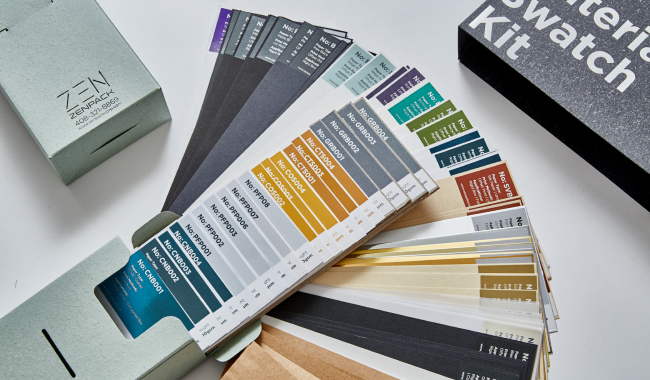
We utilize FSC Certified and pre- and post-consumer recycled paper, as well as cutting edge sustainable materials.
- Ocean Plastic Textiles
- FSC Certified Cardboard
- Washable Kraft Paper
- Premium Rigid Boxes
- Biodegradable Trays
- Molded Pulp
- 100% Recycled Paperboard
- Tyvek
- Water-based Lamination Film
- Biodegradable Packing Peanuts
- Soy Ink
- Child-resistant Bottles, Boxes & Containers
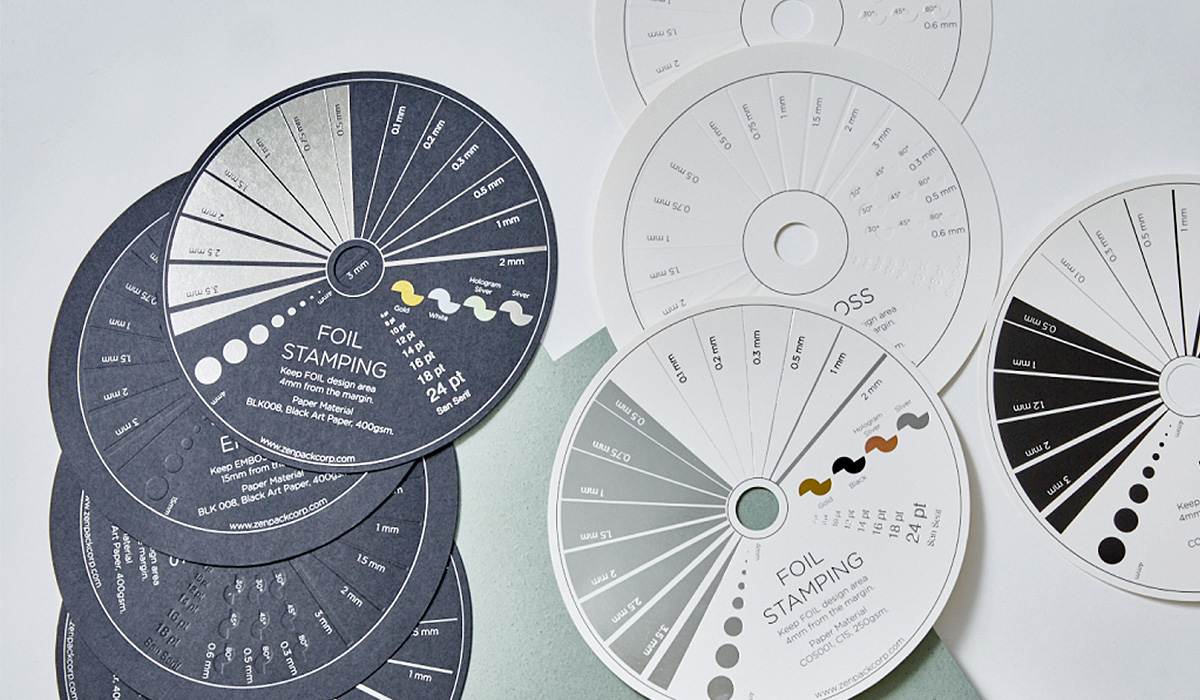
From our design studio to the printing press, we reduce waste and emissions through industry-leading operations. We are G7 Certified for color consistency, ensuring the most accurate prints and greater efficiency. Our expert technicians keep our machines calibrated and running smoothly. As a globally recognized GMI Certified Printer, we are required to keep our printers in the absolute best condition. Sustainable factories result in better packaging and decreased costs for our clients.
Our logistics team optimizes every Zenpack project, every step of the way.
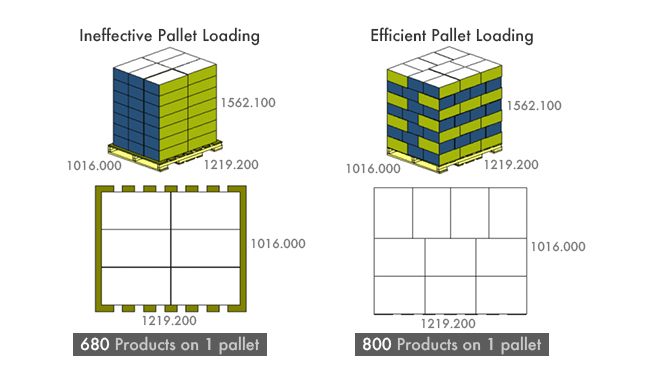
Since our factories are in the middle of a global materials crossroads, we save time, money, and emissions when finding the perfect substrate. Most of our materials contain high levels of recycled content, and we have access to FSC Certified paper products that guarantee a traceable, sustainable chain of custody. And through our relationships with fulfillment centers around the world, we can cut down on shipping components and products to fulfill a package. When shipping completed projects, we utilize intelligent pallet loading to send more packages in a single load to reduce freight and increase savings.
An Award-Winning Eco-Friendly Packaging Company
After years of experimentation, we developed an award-winning sustainable packaging design. Zenlock, the first sustainable rigid box solution in child-resistant packaging, was introduced to the cannabis industry in 2020. Only one year later, the Dieline Awards announced Zenlock as the Third Place recipient in the Plastic Free Packaging category. Zenlock was chosen among over 1,600 entries, including brands like Saatchi & Saatchi Wellness and SodaStream.
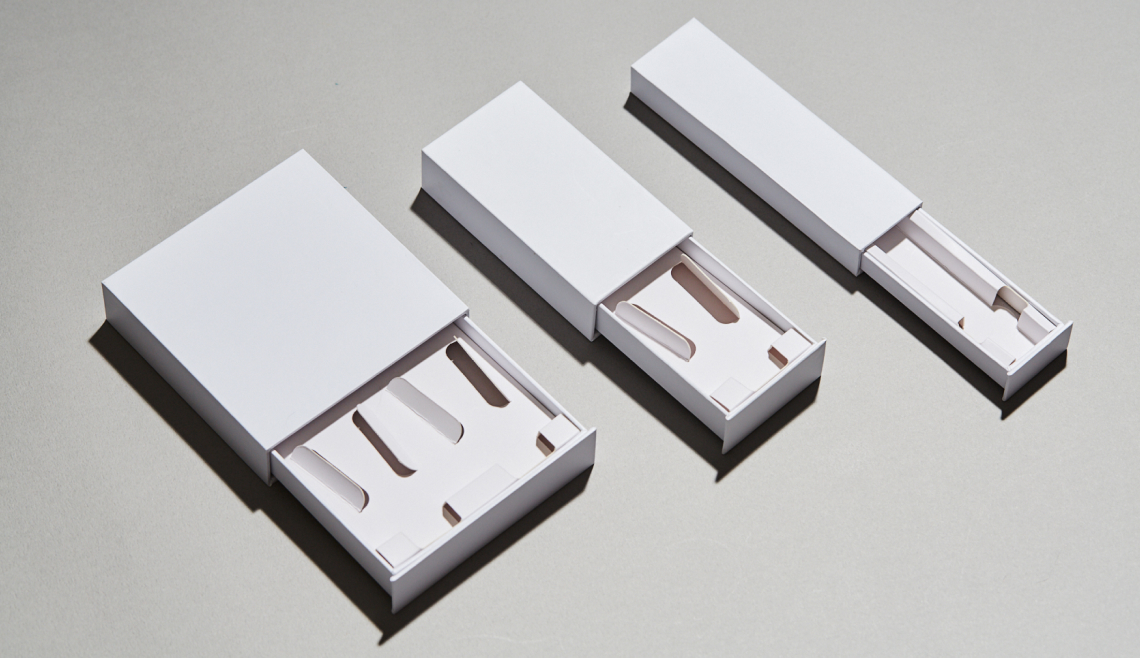
We created Zenlock because we saw a gap in the child-resistant packaging market. Recognizing the unique demands in this sector, we expanded our expertise to offer specialized cannabis packaging design services. The industry is dominated by too much plastic and too many overly complicated CR systems. Leveraging our experience in eco-friendly packaging design, we were determined to create CR packaging using only recyclable materials. Two years and countless prototypes later, we landed on the final Zenlock system that balances sustainability, graphics, and CR mechanics.
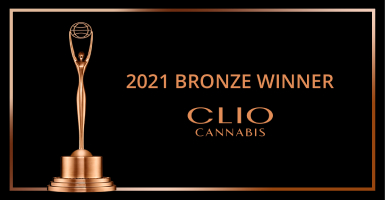
The Zenlock system is now available for cannabis brands and suppliers to share their brand story. They can use the three existing sizes, or we can design a custom package with specialized printing. While cannabis legalization grows, Zenlock continues to be recognized for its contribution to the cannabis industry. Zenlock was given a Clio Cannabis Bronze Award for Brand Design – Packaging in addition to a Pentawards Shortlist Certificate for Sustainable Design in the Home, Leisure & Other Markets category.
Clients We’ve Helped Go Green
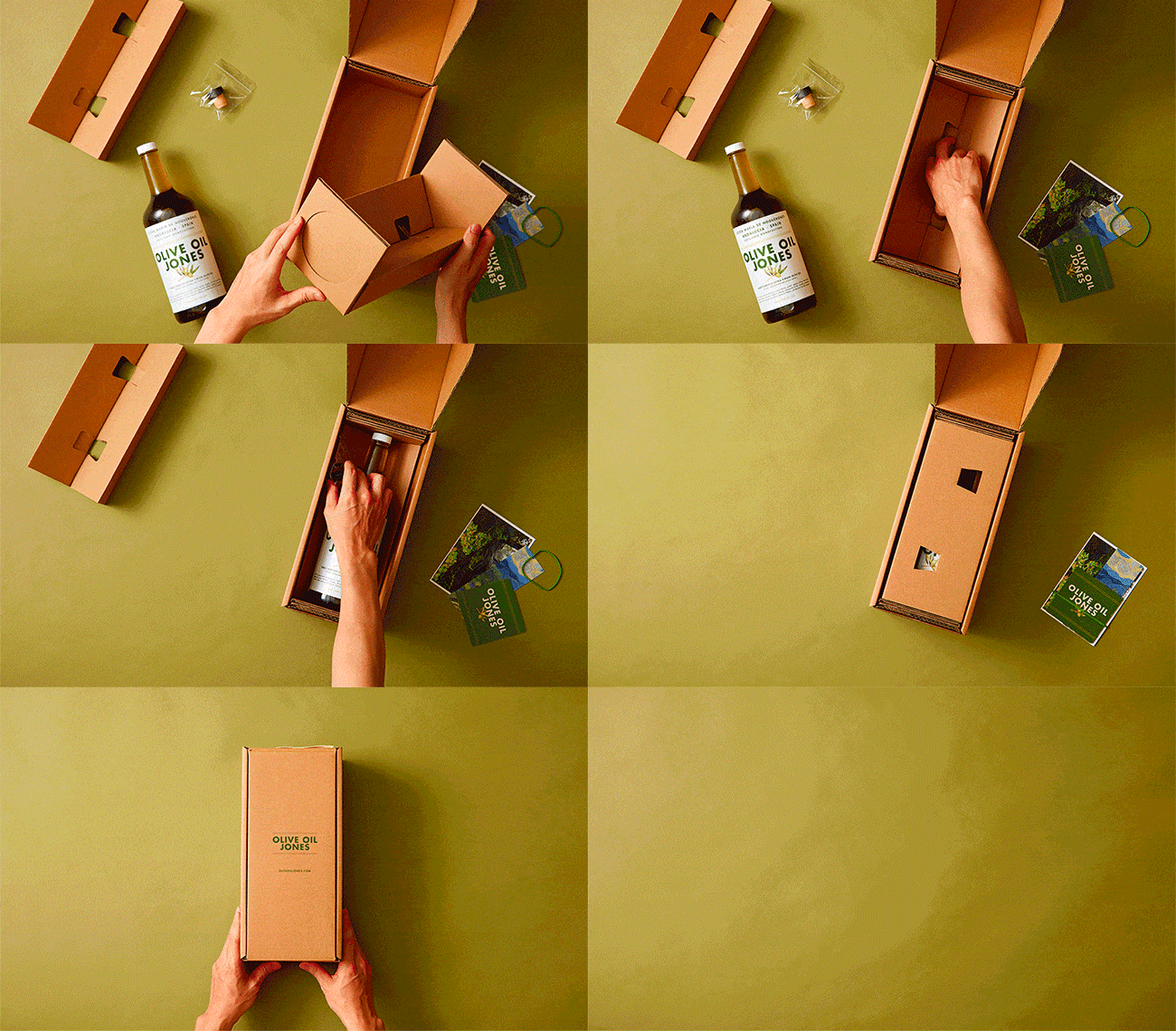
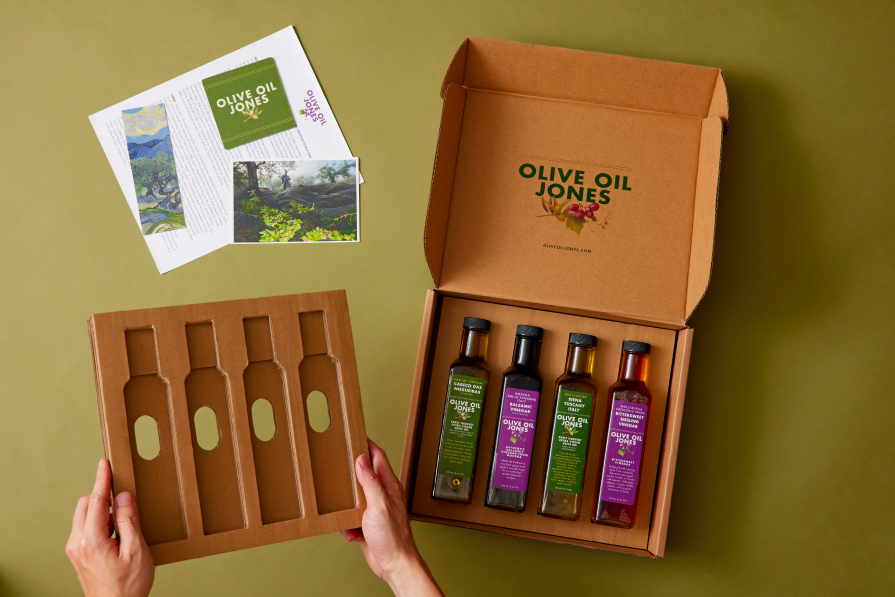
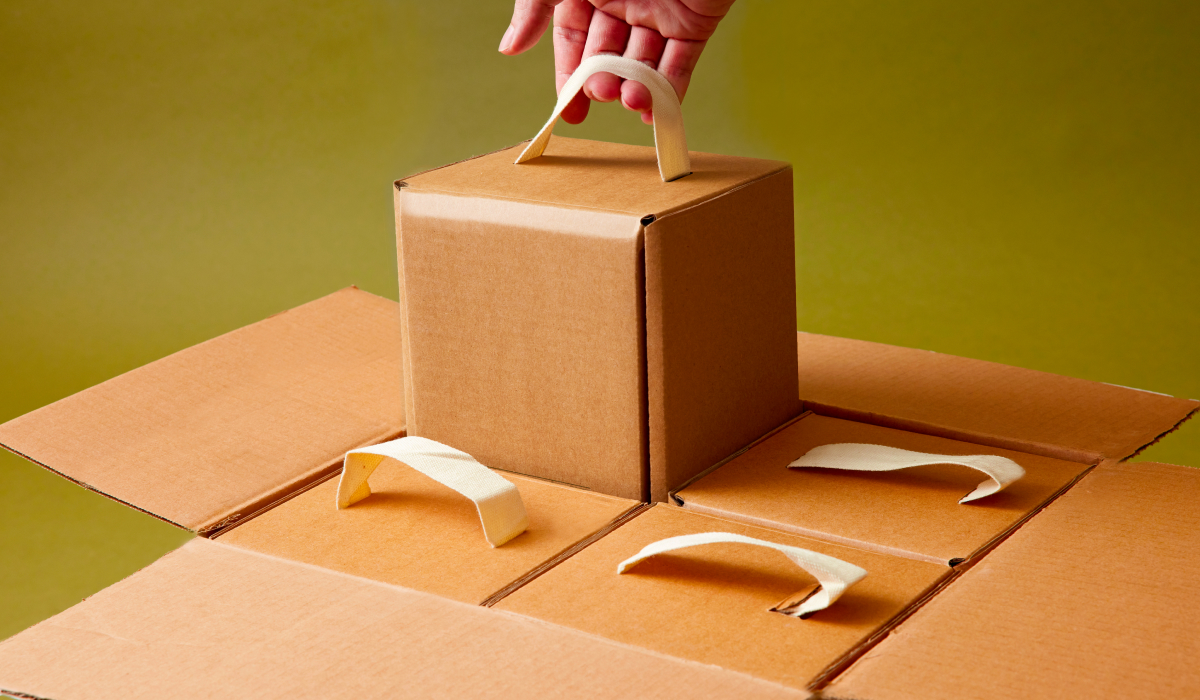
Who says you need to protect glass with bubble wrap and packing peanuts? Using just corrugated cardboard and clever sustainable packaging designs and engineering, we created an easy-to-fulfill set of boxes that protects olive oil and vinegar. This sustainable system has helped an emerging brand introduce fresh Mediterranean products to the world.
Learn More
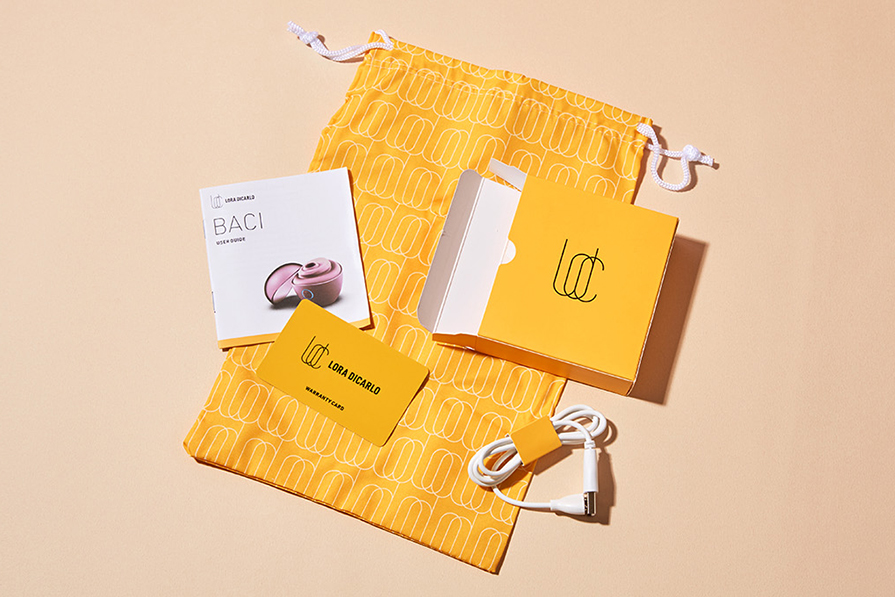
Focused on eco-friendly materials, this sexual wellness company wanted to create a sustainable carrying bag to accompany their rigid box packaging. We searched our material library to find a premium ocean plastic textile that was also perfect for printing the Lora DiCarlo pattern.
Learn More
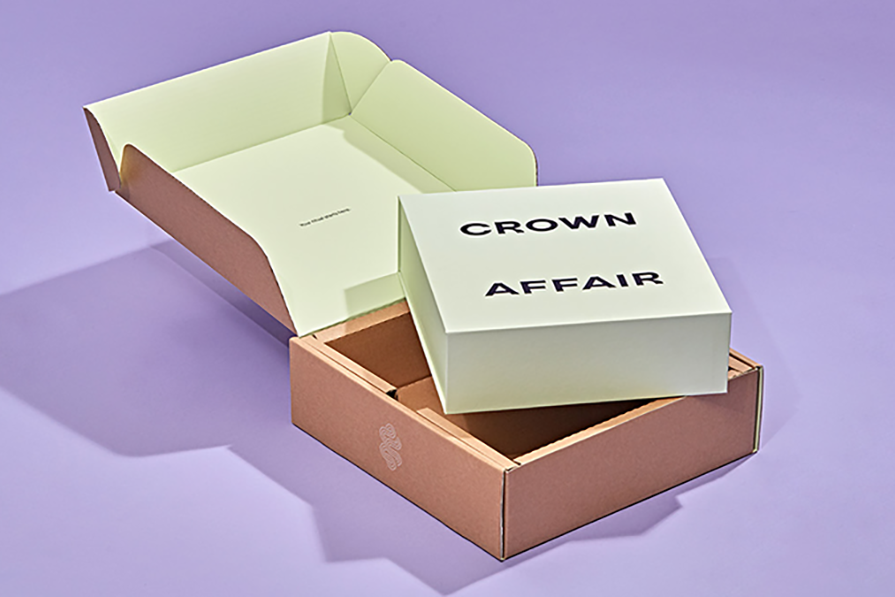
This e-commerce sensation was founded on a simple mission: create luxury hair care products made from clean ingredients and materials. Their philosophy continues with the packaging, made from textured paper, corrugated cardboard, and soft yet durable cotton.
Learn More
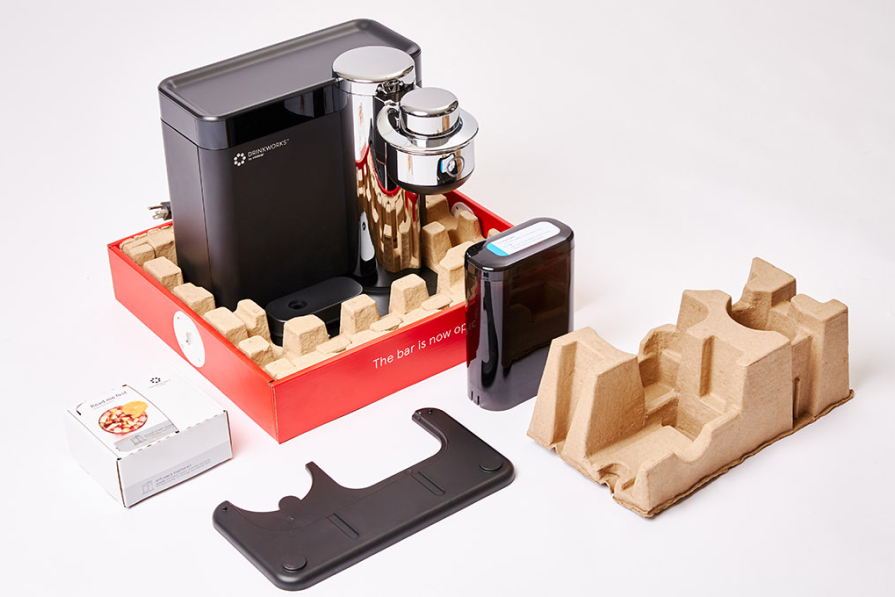
Electronics and home appliances usually arrive packed in styrofoam, and the recipient is left wondering how to dispose of the dreaded white plastic. We collaborated with Drinkworks to design a custom molded pulp insert, eliminating both styrofoam and confusion at the recycling bin. Once customers open their all-in-one Keurig bar, they can easily recycle packaging without a second thought.
Learn More
Your Packaging Partner from Start to Finish
When you work with Zenpack, you’re already making a sustainable packaging design decision. Taking the time to engineer and prototype the right packaging for your product saves time, money, and resources. In addition to eco-friendly structural design, we specialize in graphic design, creative strategy, website design, and other essential services to get your brand noticed. Learn more at our Design page.
From the project start, our team designs for the manufacturing process. We focus on maintaining our machines to ensure your packaging meets the highest quality standards. We manage resources to adhere to your budget while elevating the product. Zenpack packaging designs are custom every step of the way, which requires industry-leading quality control and certification. Check out our Manufacturing page to learn more about our sustainable packaging production.
We know the best way to get your packaging where it needs to be. In addition to custom design and manufacturing, Zenpack leverages our international network for a logistics plan tailored to your product. We offer ocean freight and air shipping depending on your budget requirements. We also provide fulfillment services and channel compliance across the globe to further streamline your logistics plan. Head over to our Logistics page to see how we can help.